Humorism Evening Podcast No. 005
Plus, a few thoughts about roasting.
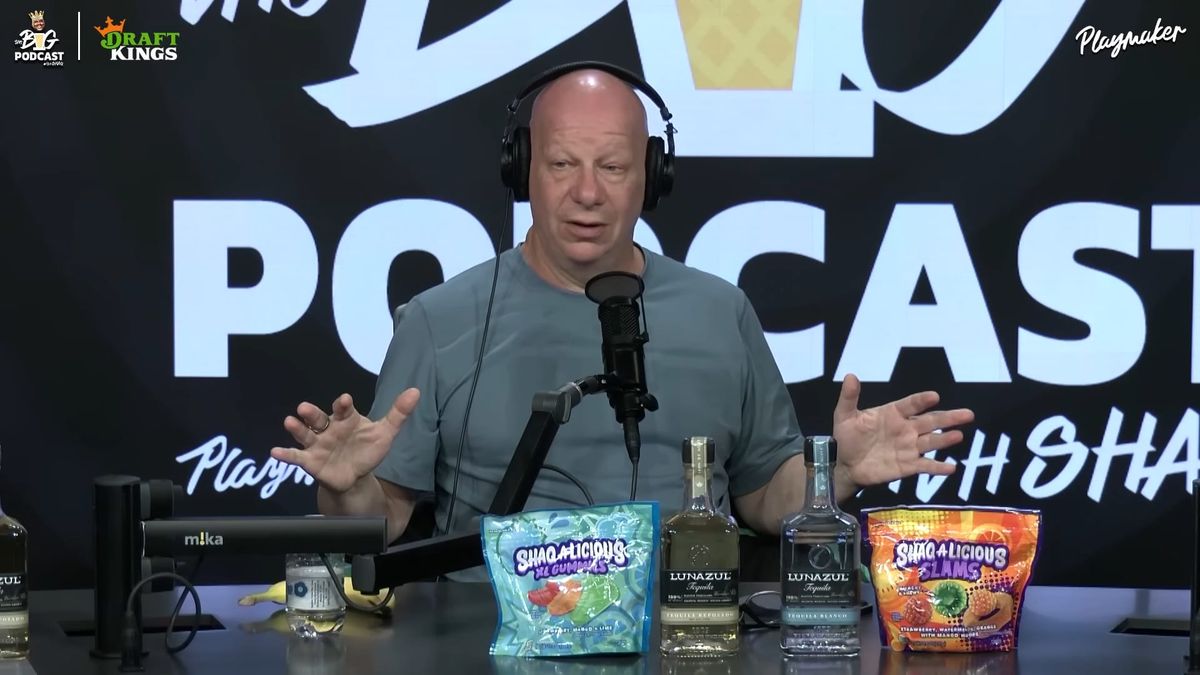
I present to you the latest episode of the Humorism Evening Podcast, available here and wherever you listen to podcasts. This episode discusses alleged pedophile Jeff Ross’s return to the mainstream media circuit. Below I’ll link to the source material I discuss, but first I’d like to share a few thoughts about something I didn’t get to in the episode.
Last month Ross appeared on Shaquille O’Neal’s podcast for a winding conversation about comedy. There’s a bit where he’s talking about his early career, which he says never really took off until he got into roasting: then, suddenly, “it was like driving a race car 100 miles an hour.” He was onstage with musicians and politicians and star athletes. He got to travel all over the world unleashing his superpower, telling corny insult jokes.
The roasts, in other words, allowed Ross to rub shoulders with the upper class. I don’t suppose this is simply because celebrities and politicians have good senses of humor; the roasts benefit them too. Here I think of Whitney Cummings’s theory about Donald Trump’s response to his Comedy Central roast in 2011: that, realizing people would like him more if they saw him get insulted, he decided to run for president. This strikes me as a terrible read of Trump’s political career but a reasonable interpretation of the roast as an institution. Like SNL, it’s a PR mechanism that gives powerful people the chance to be seen as self-aware, unserious, able to take a joke about themselves. It makes them likable.
I suppose this is obvious. But it’s interesting to consider how that function benefits Ross personally. I keep up with his social media posts, as I keep up with many comedians’ social media posts, which is how I know that he spent his New Year’s on a superyacht in St. Barts, where billionaires famously spend their holidays relaxing in style. I don’t know who put him up for the holiday; I do know that he tagged Airbnb founder/CEO Brian Chesky in a post captioned “Happy new year from our family to yours.” Also present was Ross’s old friend Jeff Beacher, the nightlife impresario who led Airbnb’s “celebrity relationship division.”
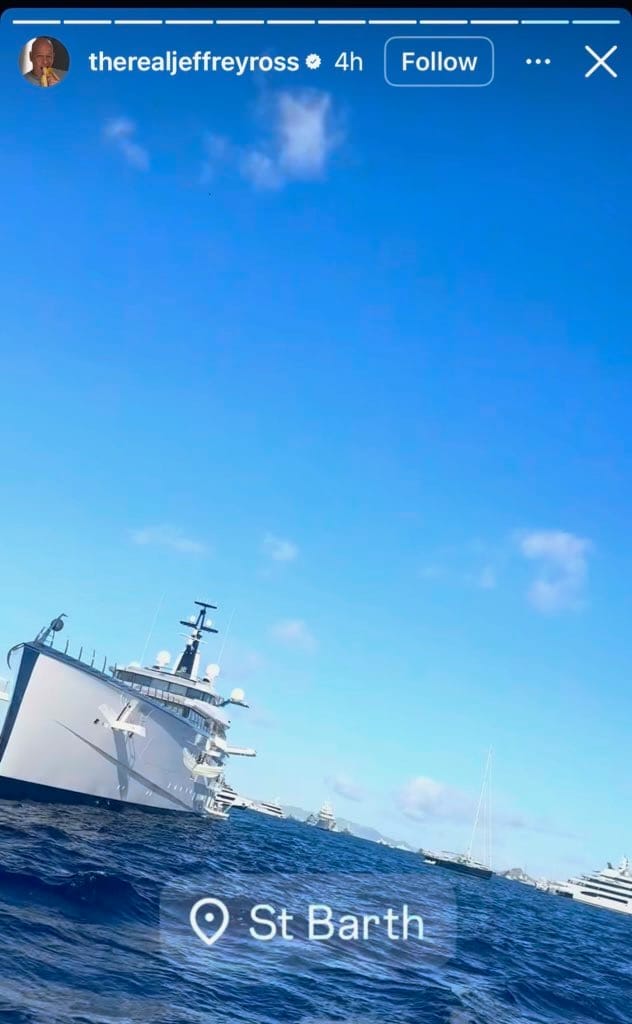
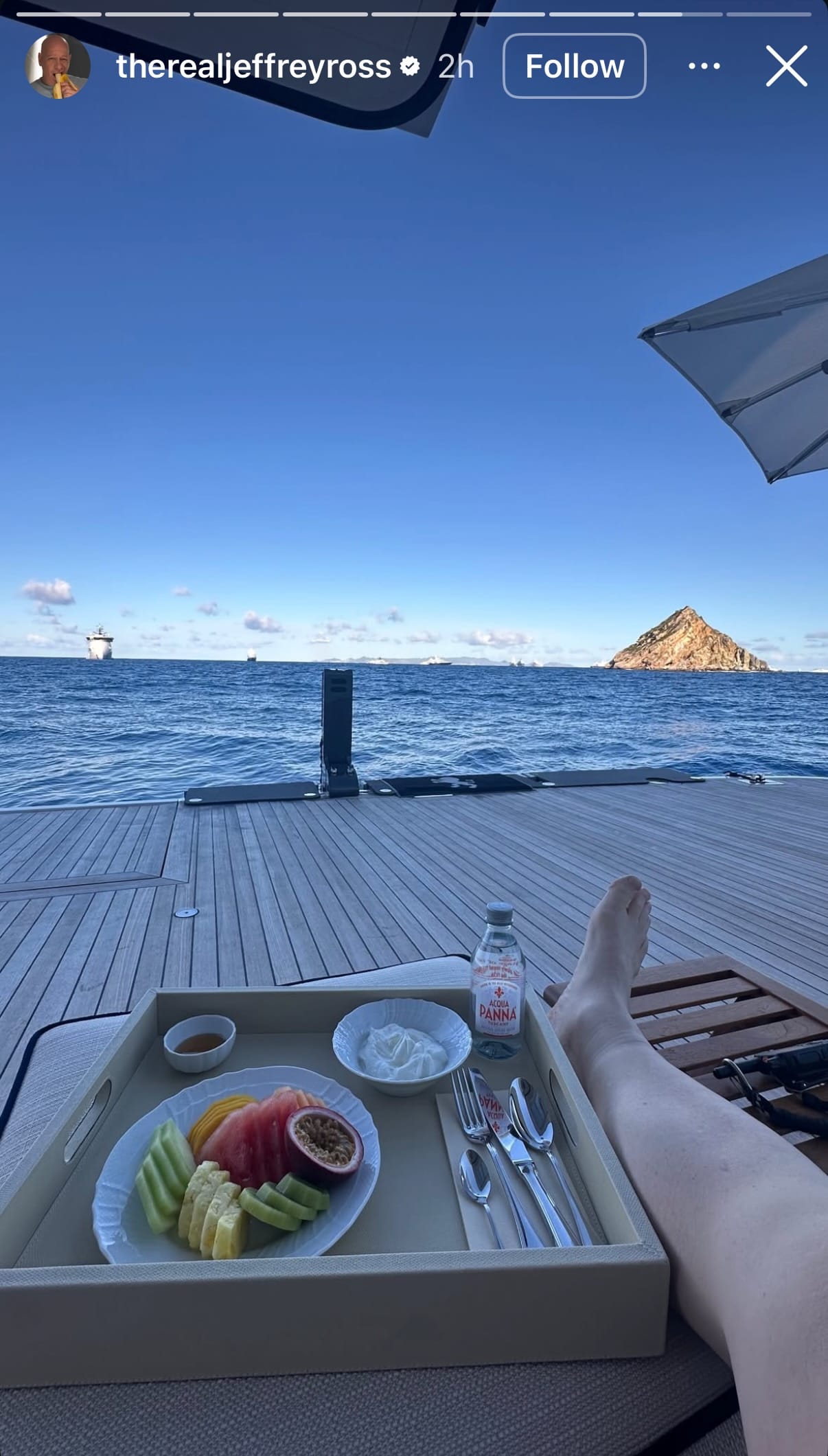
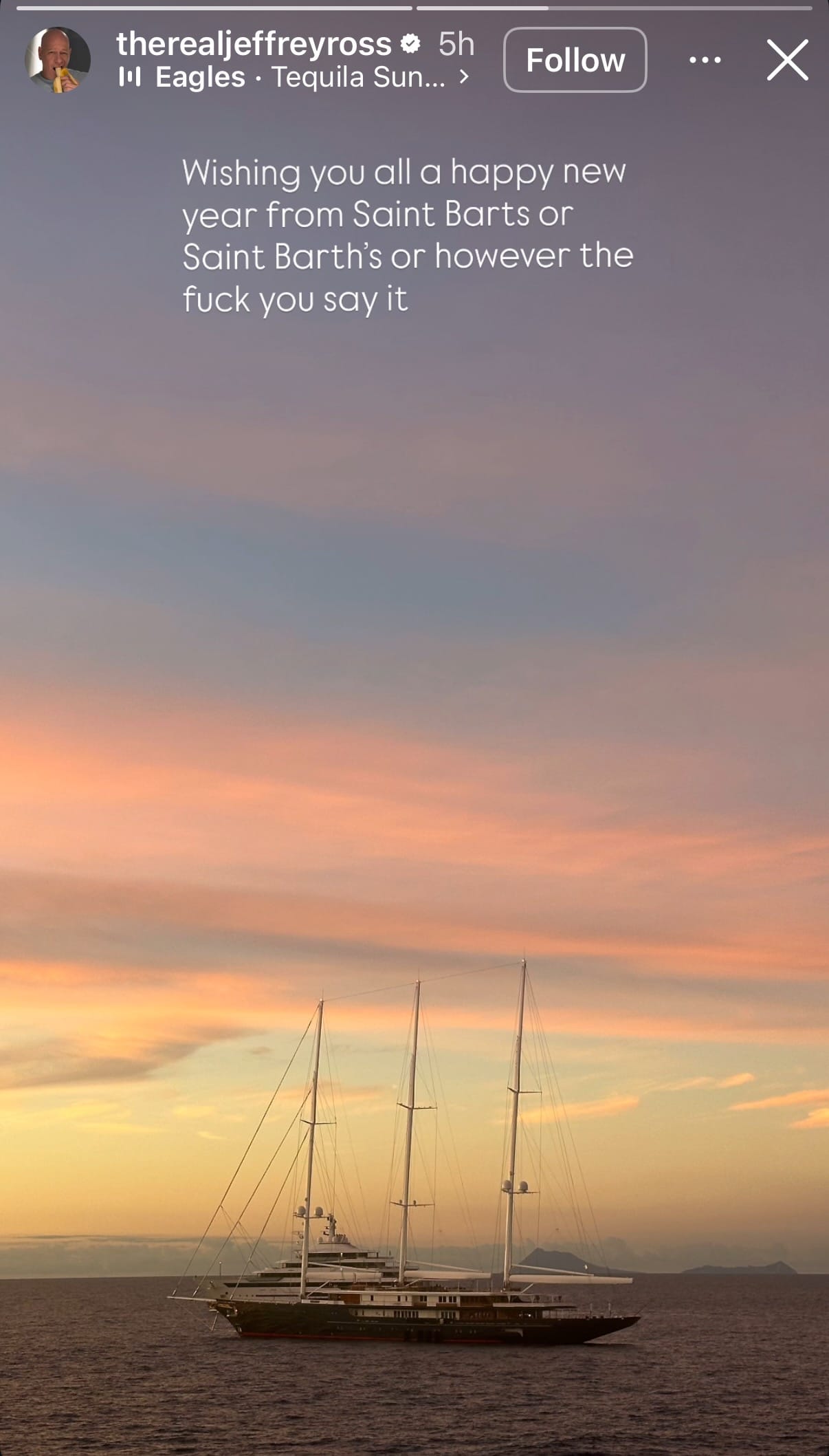
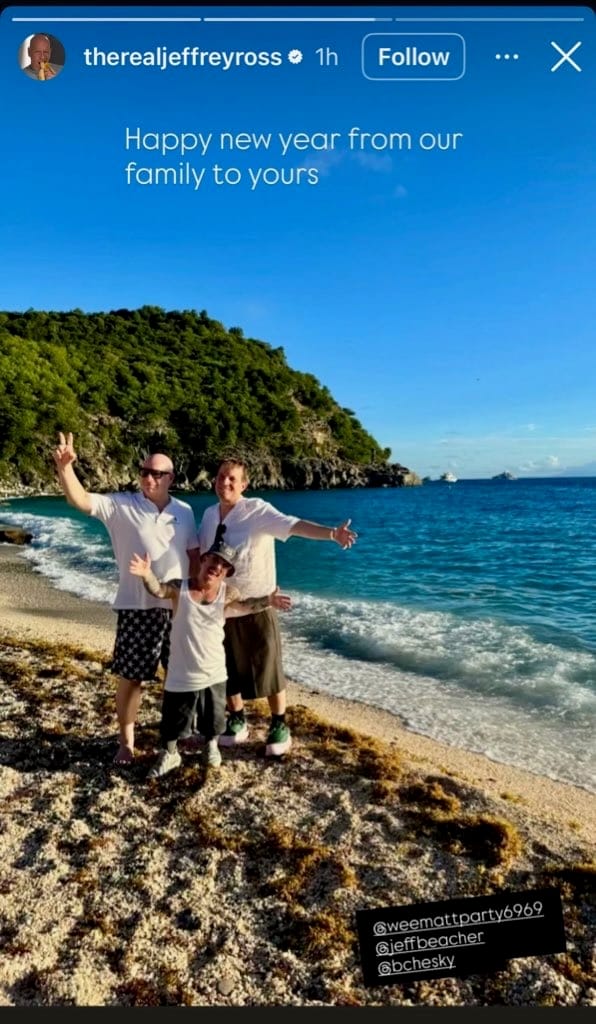
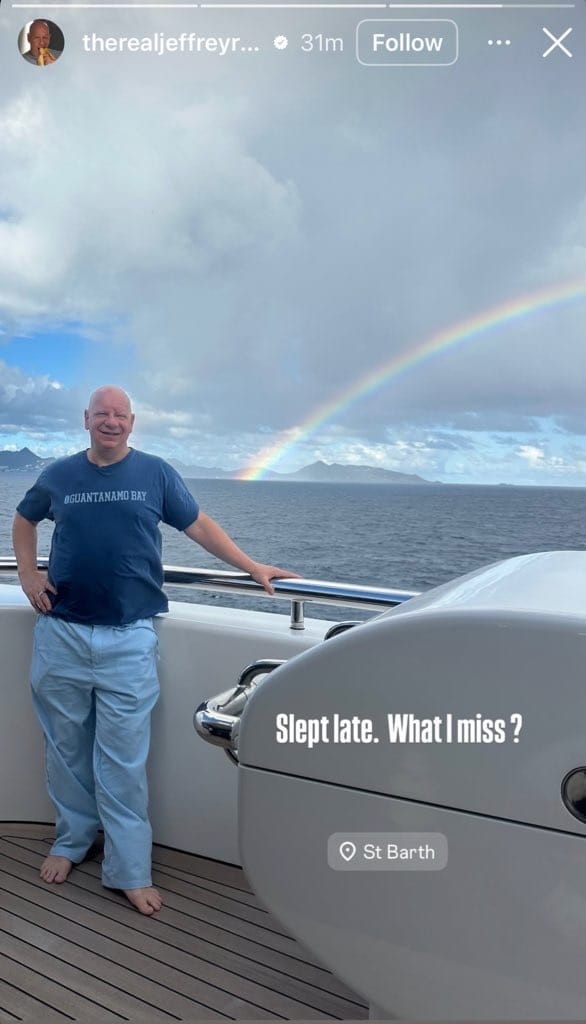
I dislike Jeff Ross for many reasons, none more so than his alleged history of sex abuse. Somewhere below that, however, is the way he portrays himself—and the comedy tradition he represents—as a champion of free speech. The value of free speech in a democracy is not simply that it allows people to use language that some find tasteless, but that it gives people a means to hold the powerful accountable, find and share the truth, and challenge noxious or unjust beliefs. What Ross does—PR for the powerful, often at the expense of the vulnerable and powerless—has very little to do with any of this.
In the wake of the Kevin Hart roast, I saw various commentators, including Jeff Ross himself, explain that roasts are essentially a Purge, a cultural cleansing mechanism that expels everything wrong in our society. To all these people I wanted to say: You idiots, the Purge in the Purge franchise is a bad thing! The whole point is that it’s a pretext to maintain class inequality by systematically murdering the poor! Did you even watch the movies? There were five of them, and a two-season TV series!
the roasts are a purge where anything goes, even racism, homophobia, and misogyny—not at all like what comedians say every day on their podcasts, live sets, and standup specials pic.twitter.com/vy3h6APdjN
— Seth Simons (@sasimons) June 15, 2026
my view on roasts is they’re basically a purge-like safe space where everything should be permitted. I don’t like a lot of the jokes printed here. but Handler whinging about it publicly feels low class.
— john (@johnsemley3000) May 21, 2026
On reflection, I guess it’s a fair enough analogy—just not for the reason people think.
Okay, here are the promised references:
The Rundown on Jeff Ross's Defamation Lawsuit
Vulture/NYMag article about Jeff Ross
Vanity Fair article ft. cameo from Bryan Freedman
Hollywood Reporter report on the defamation case against Bryan Freedman
Insider report on Bryan Freedman's 1991 settlement (not 1999, as I say in the podcast; my mistake)