Interview: Amy Fusselman on "Cloud Six," Writing the Afterlife, and the Power of Humor
"I think my real love is humor, which I view as an energy that is available to anyone, anywhere, anytime, for free, and that connects, humanizes, and enlarges us."
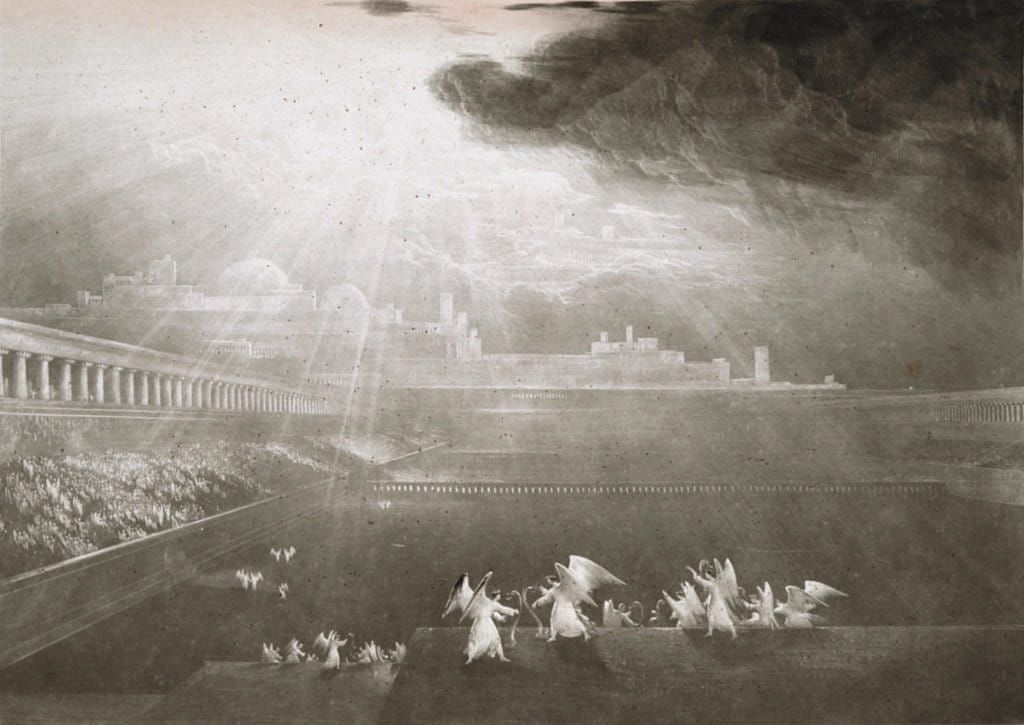
I recently had the pleasure of reading Cloud Six, the new comic novel by Amy Fusselman. It’s a funny, moving whirlwind of a tale that follows a married couple, Mam and Bunko, who die in an airplane explosion and end up in the titular low-rent heaven, a sort of characterless expanse overrun by marauding skeletons trying to kill them with guns, even though they’re already dead. Meanwhile, their daughter, Penny, adapts to life without them (that is, she goes to Vegas) and the demon who runs Cloud Six struggles to persuade his ex, who’s also a demon, to renovate the place. If you, like me, enjoy stories that use whimsy to confront seemingly unwhimsical subjects, like gun violence and alcoholism, then I think Cloud Six may be for you too.
I asked Fusselman some questions about the book, the afterlife, her favorite comedians, and more. Find her answers below, then get yourself a copy of Cloud Six, which is out Tuesday from Catapult and available for preorder now.
I was surprised and moved by the way this book reveals itself to be about gun violence, and by the idea of gun violence as an evil so deep that even heaven, or at least the lowest rung of heaven, is not safe from it. Did you go into the project with that concern in mind, or did it emerge as you wrote?
I wasn’t thinking about gun violence when I began writing. But as I got into building this down-market heaven, it made sense to me that gun violence would follow my characters there, what with all those thoughts and prayers.
I also love the book’s vision of heaven as, like, a C-tier resort run by bored middle managers and beset by criminals, where everyone eventually dies all over again. Can you tell me a bit about how you arrived at your take on the afterlife? Are there any other representations of heaven that you feel you’re in conversation with?
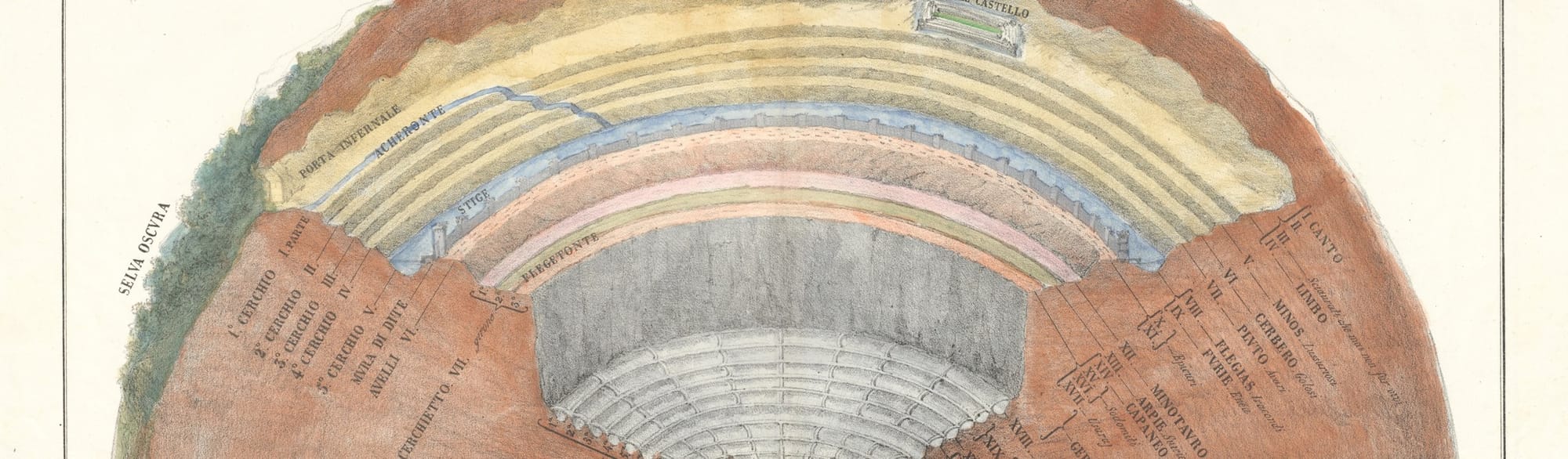
Not really, although I think the downward spiral of Dante’s Inferno is inescapable, it’s so deep in our understanding of what Hell looks like. Maybe the flat terrain of my afterlife was an unconscious response to that—my characters are basically stumbling around a gigantic parking lot.
What would heaven look like for you? How about hell?
World peace and climate change averted—that would be a good start. As for hell, the less said, the better.
This is your second novel after four books of nonfiction, which I think means I can safely ask: how do you like writing novels?
I’ve enjoyed discovering what my own take on a novel is. Writing a novel is similar to standup, I think, in that one of your tasks is to convince the audience that you’re telling the truth. That wasn’t an issue with nonfiction.
Both your novels feature talking animals. If animals could indeed speak, which ones would you want to hear from?
I don’t think any animal in real life is going to say anything any human wants to hear, sadly, and that includes my own, beloved dog. It would probably kill me, but I would be curious to hear from every animal—every lament.
I have long maintained that one of the funniest things that can happen is a big explosion, so naturally I loved the book’s inciting incident. How would you describe your sense of humor? What are your favorite funny books/movies/comedians?
Yes! My first, great, comedy love was Buster Keaton, who used explosions to brilliant effect. In terms of comedians, I like James Acaster’s specials a lot, as well as his book, Classic Scrapes. I also think Ziwe is doing really interesting work.
You won’t find it in the humor section of the bookstore, but Thomas Bernhard’s writing is hilarious to me, particularly his memoir, Gathering Evidence.
 Luc Rioual
Some years ago you told The Believer that you were “sniffing around comedy” by reading comedian memoirs and nonfiction books about the form, taking classes, performing standup, etc. What did you learn? Are there any memoirs in particular that stuck with you?
I learned a lot doing standup, mostly about how difficult it is. I will say that studying standup helped me value humor in literature more. In standup, if no one is laughing, then the material isn’t funny, period. In literature, there’s more room for comedy to make you go, hmmm, or ahhhh, or just to serve as a pleasurable undercurrent for something larger.
I think my real love is humor, which I view as an energy that is available to anyone, anywhere, anytime, for free, and that connects, humanizes, and enlarges us. Maybe every effort to capture and commodify humor—as in standup specials and books—is always a little bit doomed.
As part of my comedy curriculum, I also took some clowning classes, including a workshop with Yale professor Christopher Bayes, which helped open me up to new ways of thinking about what’s funny. In hindsight, I think my novel is really about two clowns.
Is there any book (or essay, or story, or poem, or what have you) that changed your life? If yes: tell me about it. If no: never mind.
Candide, by Voltaire, was a revelation because his portrayal of the world is absolutely scathing and yet he holds it all so lightly and also manages to land the book in such a humane place. What can we do about the problem of living? Tend to our garden. It holds true today.
 Emma Winsor Wood
Can you tell me about something, whatever it is, in the recent or distant past, that made you lose it laughing?
My husband and I were recently trapped at a formal wedding reception that took place in what was essentially a panopticon. We were a few hours in, we still hadn’t eaten, and we were despairing.
Suddenly my husband stood up, grabbed my hand, and walked us slowly and carefully towards the only exit, in full view of the bride, groom, and 200 other guests. As soon as we were out the door, I started laughing hysterically. Surprise and transgression—that’s comedy.
You can preorder Cloud Six here.